Reception: +353 1 556 7900 | Mon – Fri: 8am – 4pm | Sat & Sun: 9am – 12pm by appointment only
- Treatments & Services
- All Fertility Tests
- Fertility Tests
- Ultrasound Scanning
- Tubal Patency Check
- Hormone Blood Tests
- Semen Analysis
- Other Tests
- First Step Package
Fertility Treatments- All Fertility Treatments
- Follicle Tracking
- Ovulation Induction
- Intra-uterine insemination
- In Vitro Fertilization
- Frozen Embryo Transfer
- Intracytoplasmic Sperm Injection
- Surrogacy
Male Factor- All Male Factor Services
- Semen Analysis
- Sperm Freezing
- Advanced Techniques
- Surgical Sperm Retrieval
- microTESE
Donor ServicesFertility Preservation- All Fertility Preservation Services
- Egg Freezing
- Sperm Freezing
- Embryo Freezing
- Before or After Cancer
- Childhood and Adolescent Cancer Fertility Project
- Transgender Services
We’re delighted to share that Abby, Fertility Nurse at Merrion Fertility Clinic, recently featured on the IANO Podcast alongside hosts Sheilah
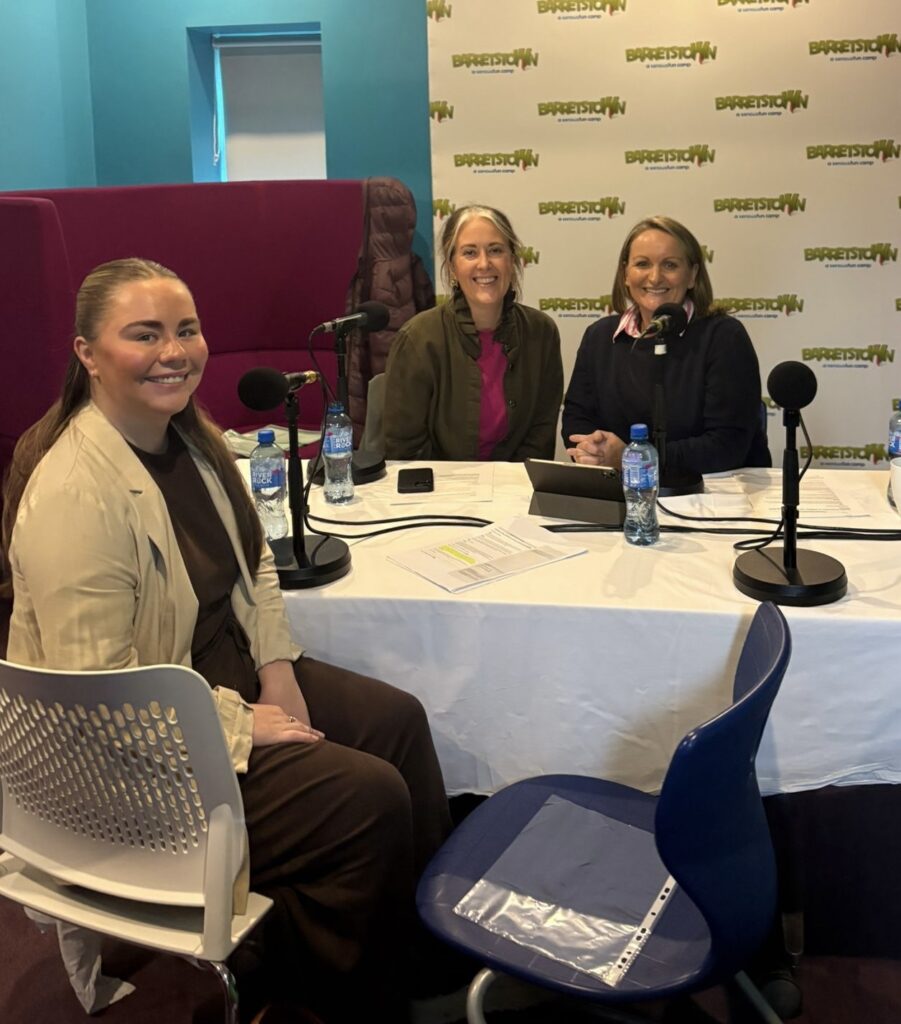 Broderick and Ada Kinneally.
In this episode, Abby discusses fertility preservation for children, adolescents and young adults diagnosed with cancer. She speaks about the fertility risks associated with cancer treatment, the options currently available in Ireland and
the importance of timely support at the point of diagnosis. Abby also highlights the vital role nurses play in initiating early, compassionate conversations and supporting referral pathways that help protect future reproductive choices.
The discussion covers fertility preservation options for male and female CAYA (children, adolescents and young adult) patients, coordination and eligibility at diagnosis, sensitive communication with patients and families, multidisciplinary and psychosocial support.
We’re very proud to see Abby representing our clinic, sharing her expertise, and advocating for proactive fertility discussions, so that young people facing cancer have the information and support they need to make informed choices about their future.
Listen back by clicking the following link: https://open.spotify.com/episode/0BEDOJeRAynNSdoFkbT6lL?si=bA-5TkXSTeCaWG9zb3IOQA
Our Clinical Director, Dr. David Crosby, recently joined Clare McKenna for episode one of her new mini-series Pathways to Parenthood on the Newstalk Alive and Kicking podcast, alongside Helena Tubridy, Fertility Coach, and Annie Lavin, Relationship Therapist, for an important discussion on preparing for pregnancy.
It’s a topic that deserves more attention, and this episode covers a lot of ground, from medical considerations and timing to the emotional and psychological side of fertility.
Thanks to Clare for hosting such an open and informative discussion.
🎧 See the link to listen to the podcast.
https://link.goloudplayer.com/s/pGbQ35KViWHo

Patient Charter: A Commitment to Excellent Care
Merrion Fertility Clinic is thrilled to announce the launch of our new Patient Charter, reinforcing our commitment to patient-centric care and providing a roadmap for individuals undergoing fertility treatments. With over 25 years of dedicated service in Reproductive Medicine and Surgery, we understand the emotional, physical, and financial challenges that accompany fertility journeys.
What is the Patient Charter?
Our Patient Charter serves as a guide for our patients, outlining their rights and responsibilities while ensuring transparency about the level of service they can expect throughout their fertility treatment at Merrion Fertility Clinic.
Key Highlights of Our Patient Charter:
Tailored Care: The clinic’s commitment is to provide patients with access to reproductive treatments grounded in the best scientific evidence, tailored to their individual medical needs. The Patient Charter reinforces this commitment, ensuring that each patient’s journey is unique and supported every step of the way.
Transparent Communication: Clear and transparent communication is a cornerstone of our Patient Charter. We will keep you informed at every step of the process, ensuring you have a comprehensive understanding of your treatment plan and progress. The goal is to reassure patients that every aspect of their care will be handled with the utmost attention and professionalism.
Emotional Support: The clinic prides itself on being staffed by a team that not only possesses expertise in Reproductive Medicine and Surgery but also demonstrates genuine care and empathy. We understand the challenges associated with fertility treatments, and the clinic is committed to alleviating stress and uncertainties. Recognising that undergoing fertility treatment can be a daunting experience, Merrion Fertility Clinic is committed to doing everything possible to ensure a smooth and supportive journey for every patient.
Financial Considerations: We recognise the financial implications of fertility treatments. Our Patient Charter includes a commitment to transparency regarding costs and financial considerations, allowing you to plan accordingly.
By outlining the rights and responsibilities of patients, the clinic aims to provide a transparent and supportive environment. The clinic’s dedication to evidence-based, tailored treatments reinforces its position as a leader in Reproductive Medicine and Surgery.
The Patient Charter will be readily available to all patients attending our clinic.
Introduction
We are very happy to announce an exciting change in our Clinic that coincides with a significant milestone – our 25th anniversary. During this time, our patients have had more than 3,500 live births and we have enjoyed success rates that are excellent by international standards.
In this article, we’ll go through the story of our new branding, and we will list what we consider to be the top ten achievements that have defined our commitment to reproductive health for the past quarter of a century.
Our Rebrand Story
The logo of the clinic for many years was two birds in flight, in the colours purple and green. This was chosen by Prof Mary Wingfield, Clinic founder, and was based on the swans from the Children of Lír story.
In 2022, Dr David Crosby took the position of CEO and Clinical Director. The Clinic is now managed by the Senior Leadership team, comprising of Dr Crosby, along with the Medical Director, Dr Renato Bauman, and Chief Operating Officer, Georgina Kearney.
Dr Renato Bauman
Dr David Crosby
Georgina Kearney
This year, with the help of Red Dog Design Consultancy, we redesigned our brand to give it a more modern feel and to incorporate the values and mission of the Clinic. We now use blue and green as our primary colours, with blue representing the medical expertise of the Merrion Fertility Clinic team and green representing fertility and hope. It celebrates the relationships and partnerships formed on the fertility journey and shows the Clinic as a centre of excellence. The circles represent continuity, collaboration and connectedness, reflecting our patient-centric care, and the pattern they form represents an embryo, as the cells divide in the first two days.
Top Achievements During Our First 25 Years
#1 Focus on patient-centric care
To provide you with patient-centric care, we have put many measures in place, including the following:
- An incredible team of doctors with deep fertility expertise who create treatment plans individualised to your specific needs, discuss your options with you, help you make the right decisions, and respect your values and opinions.
- A system of care coordination that means you are well informed about upcoming appointments and treatments, and you can access our team to ask questions and address concerns when you need to.
- We created the role of Head of Patient Experience, held by Orla O’Leary, whose job is to listen to your feedback and work continuously to improve our patients’ experience.
- Empathy and respect are enshrined in all interactions with our patients.
- To help you cope with the emotional toll that the fertility journey can take, we have a dedicated fertility counsellor and provide a support group for all our patients twice a month.
#2 Our Association with the National Maternity Hospital
Many of our Consultants also work with the National Maternity Hospital at Holles Street, including Dr David Crosby, Prof Cathy Allen, Dr Fiona Martyn, Dr Nita Adnan and Dr Maebh Horan. This means that our patients have access to the expertise of a leading teaching hospital and one of the largest maternity hospitals in Europe. As our doctors have public fertility clinics at the hospital, and provide pregnancy care there too, our patients get to enjoy continuity of care in familiar surroundings.
Sedation provided during your egg collection will be given by a Consultant Anaesthetist from the hospital. This means that you will experience minimal discomfort during this procedure.
Prof Cathy Allen
Dr Fiona Martyn
Dr Nita Adnan
Dr Maebh Horan
#3 Our Training Programme for Consultants
We operate a Clinical Fellowship programme, and we are accredited by the European Society of Human Reproduction and Embryology (ESHRE) as a training centre. This involves study and research, which we outline in section #4 below, and it also incorporates full training on all aspects of fertility care, supervised under the watchful eye of our Medical Director, Dr Renato Bauman.
Since the inception of this programme in 2012, eight consultants have completed this sub-speciality training programme, including three Consultants who currently work with Merrion Fertility Clinic, Dr David Crosby, Dr Fiona Martyn and Dr Maebh Horan.
Merrion Fertility Clinic is the only centre in Ireland providing a fertility training programme for consultants with fertility as a specialist area of interest.
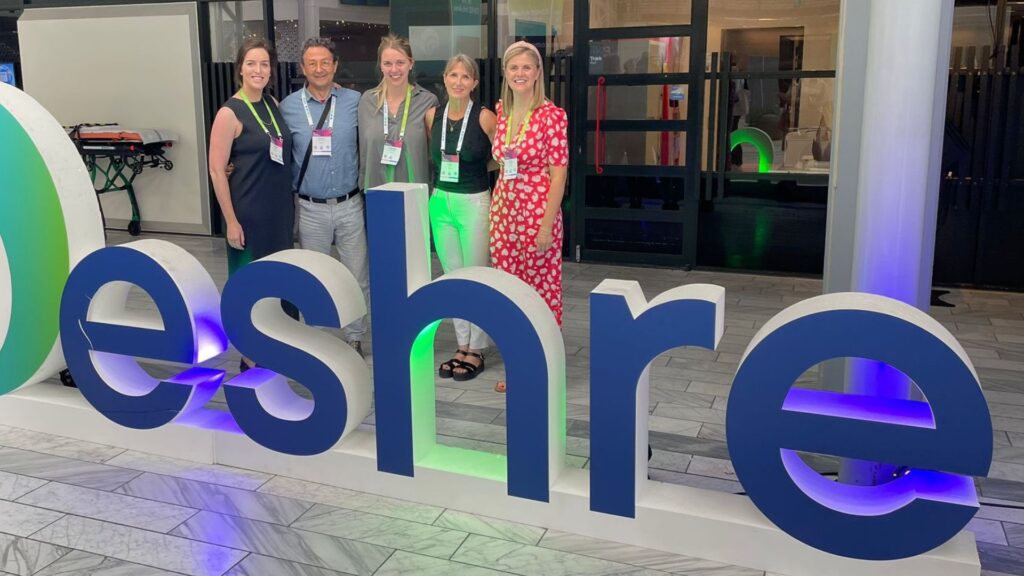
Photo: Dr Maebh Horan, Dr Renato Bauman, Dr Laurentina Schaler, Dr Cathy Allen & Embryologist Joyce Leyden at ESHRE 2023
#4 Years of Fertility Research
We have a dedicated position of Head of Research, which is held by Dr Louise Glover PhD.
We discussed our Clinical Fellow Programme above; as part of this, each Clinical Fellow completes a “Doctor of Medicine” or MD, a medical postgraduate degree. Part of the MD includes choosing an area of research; this involves making a proposal, applying to the ethics committee, when approval is given, carrying out the study, and then documenting the findings. Research is carried out in conjunction with University College Dublin and Trinity College Dublin.
There are two main fertility conferences in Europe each year run by the British Fertility Society (BFS) in January and the European Society of Human Reproduction and Embryology (ESHRE) in June. Our Clinical Fellows submit their research papers to both societies each year and are frequently asked to present their research.
If you would like to find out more, please read our recent article – Merrion Fertility Clinic Doctors Present at “Fertility 2023” Conference
The research is also submitted to and published in various prestigious publications.
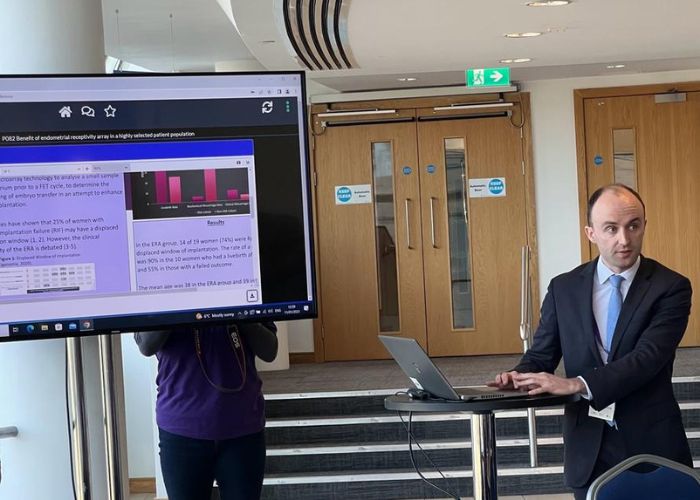
Photo: Dr Andrew Downey presents at BFS 2023
#5 Significant Investment in Innovation
Our medical staff are constantly learning and sharing information on the latest scientific advances in fertility and attending various conferences and training events throughout the year. We are constantly reviewing our medical protocols in light of new advancements.
We have created the position of Innovation Manager, held by Dr Aoife Campbell PhD, formerly the deputy manager of our laboratory. Aoife researches new developments and works with the Senior Leadership Team and the Laboratory Manager to decide on which projects to progress.
Our policy is to offer only treatments that are evidence-based, meaning that there needs to be good quality data to show that the advancement does in fact improve the chances of having a live birth or that it has been approved by an organisation such as ESHRE.
Before offering a treatment ‘add-on’ on a commercial basis, we run our own trials and invite suitable patients to participate free of charge. For example, we are currently running trials on Embryo Glue, used when the embryo is transferred to the uterus, and PICSI, a sperm selection technique used when ICSI is being carried out. There is good evidence for the efficacy of both of these treatment ‘add-ons’ but we will not add them to our service offering until we are satisfied with the results we see in our in-clinic trials.
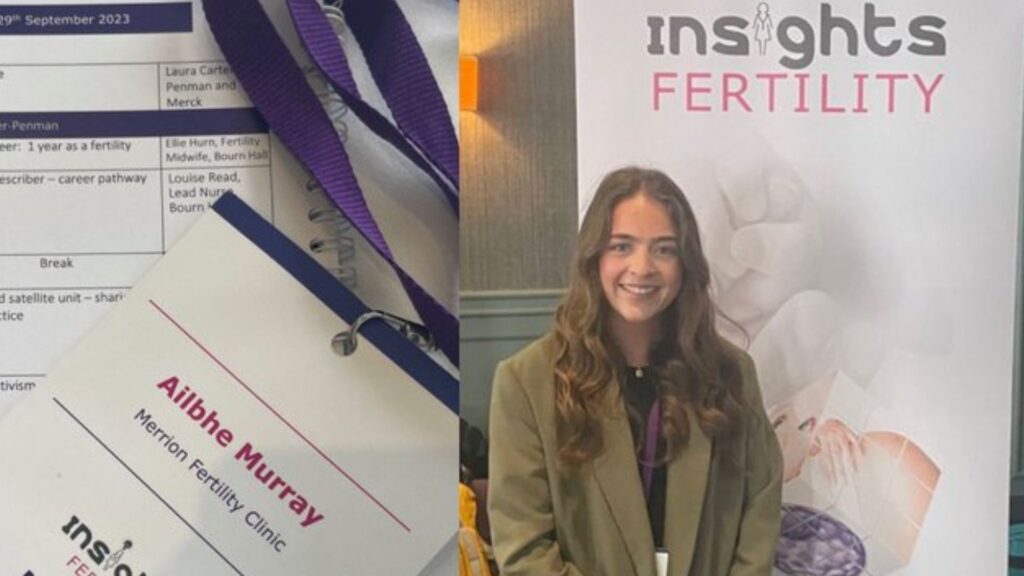
Photo: Nurse Ailbhe Murray attends Insights Fertility conference
#6 Providing Fertility Preservation for Adolescents & Young Adult Oncology Patients
Since 2020, we have partnered with the Irish Cancer Society (ICS) to offer fertility preservation to all adolescents in advance of beginning treatment for cancer. We also offer fertility preservation to young adult female survivors of cancer.
We have a dedicated team of doctors and nurses who deal with these patients, and we have created a private space for the young people and the family members that accompany them as they often have to spend a number of hours with us when they visit.
This service is free as it is funded by ICS, but we are advocating to have this become a publicly provided service funded by the HSE.
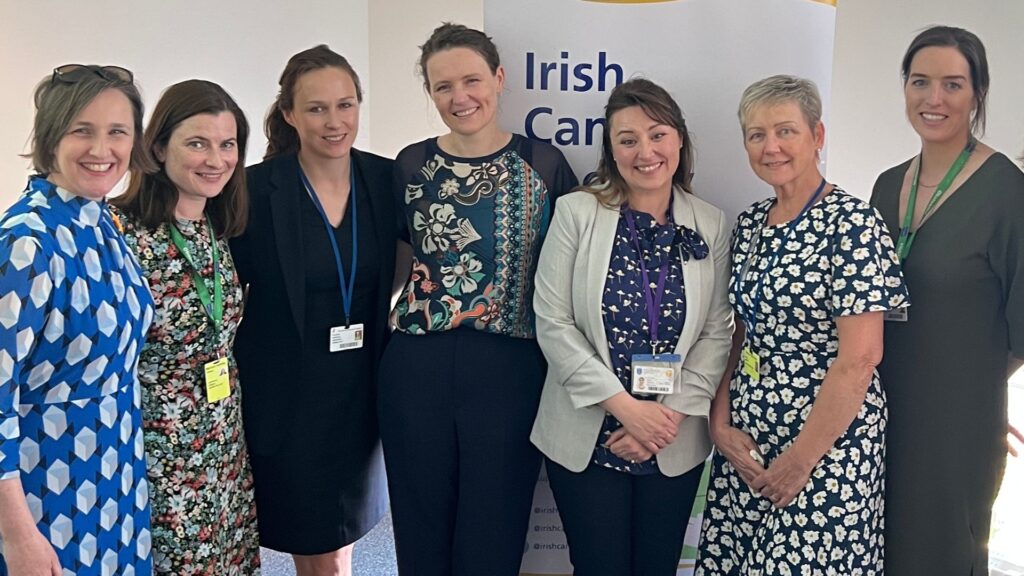
Photo: Amy Nolan, Director of Clinical Affairs in ICS, Dr Sorca O’Brien, Dr Lucia Hartigan, Dr Aoife Campbel PhD, Dr Louise Glover PhD, Eileen Barrett & Dr Maebh Horan & at the recent Health Care Professional Study Day in May 2023
#7 Advocating for Public Funding & Legislation
For many years, fertility services were not publicly provided, meaning that those who needed treatment had to attend a private clinic and pay fees, creating an unequal system where the ability to access treatment depended on your financial circumstances.
The Clinic has campaigned throughout the years for fertility treatment to be publicly funded, and finally, in September of this year, that became a reality. Public funding is now available to a limited cohort and we continue to campaign for the criteria to be widened to become more inclusive.
We have also campaigned for fertility legislation, and we continue to work with the government on the details of the upcoming Assisted Human Reproduction (AHR) legislation.
#8 Merrion Fertility Foundation (MFF)
MFF was established so that patients who could not afford to pay private clinic fees could still access treatment. Patients can apply and are assessed under certain medical and financial criteria. Since it was established in 2012, it has awarded funding to over 300 patients. MFF continues to operate as many patients do not meet the criteria for public funding.
Click here to find out more about the foundation.
#9 Not-for-profit Status
We are Ireland’s only not-for-profit fertility clinic. That means we have no shareholders to satisfy and are under no pressure to provide profits or dividends.
Our not-for-profit standing gives us the independence and the autonomy to always recommend what we believe is in the best interest of our patients, based only on evidence and research.
Having said that, we still need to charge commercial prices so that we have more income than expenditure. This gives us the surplus of funds we need to invest in new technologies and carry out research.
#10 Facilities Upgrade
We are based on the campus of the National Maternity Hospital at Holles Street, which means that we don’t have the option of operating from a purpose-built facility; our premises is a Georgian building with lots of original features and plenty of character.
We have invested significantly in creating an environment appropriate to a private medical facility. The facility is freshly painted using a Farrow & Ball colour palette; there are lots of designs and art pieces, modern furniture, natural lighting, and plants throughout to create a comfortable environment for our patients.
In our laboratory, theatres, and ultrasound scan rooms, we have the most advanced and up-to-date equipment available, including an Embryoscope incubator and Voluson ultrasound machines.
Conclusion
2023 saw the launch of PGT-A, PGT-M and PGT-SR, allowing us to provide comprehensive genetic screening and diagnostic services to individuals and couples seeking assisted reproductive technologies. This year also saw the beginning of a partnership with the HSE to provide fertility care for publicly funded treatments. In 2024, we look forward to establishing an egg donation programme and elevating the Clinic to the forefront of male factor fertility treatment.
We are very grateful to all the wonderful staff and patients who have made this possible, and we are very excited about the next steps in our journey as a leading Irish reproductive medical centre.
Embryo Development
Once your eggs have been collected, the embryology team will become your point of contact for finding out how things are progressing. The information here aims to help support your understanding of this process, and it can be a lot of new information to take in at once. Depending on how long your embryos have been in the lab, the update will be different.
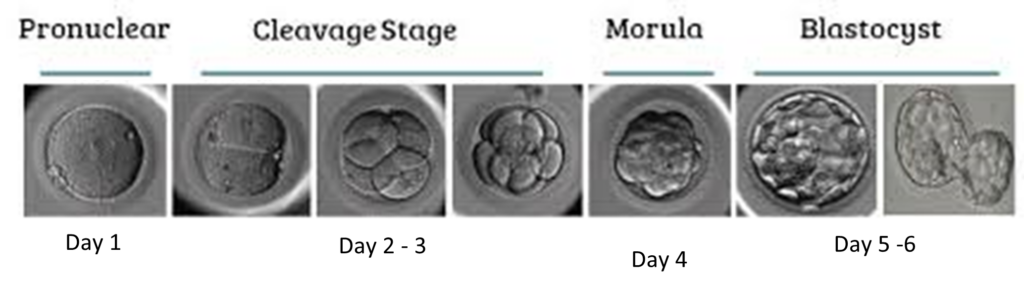
The day after your egg collection, you can expect to hear about how many of your eggs have successfully fertilised. We call a successfully fertilised egg a “2PN”. This is because the genetic material from the egg and the sperm can be identified as two small circles or pronuclei (Figure 1). At this stage, it can be difficult to assess the quality of an egg, so in general, we wait until it starts dividing.
The next update from the embryology team is normally day 3. At this point, the team will let you know how many fertilised eggs have divided, what stage they have reached and their grade. If you go on to day 5, the team will let you know how many embryos have reached the blastocyst stage and are suitable for transfer, freezing or biopsy, depending on your treatment plan. Any embryo not transferred or frozen on day 5 that is still developing will be graded again on day 6. You will get an update letting you know the grades on day 6 if your day 5 information did not have a final grade for all your embryos.
Day 0 (day of egg collection): No embryo grade is assigned to eggs on this day. Oocyte quality can be graded for ICSI or egg freezing cases only.
Day 1: The day after the egg collection, fertilisation is expected to be visible. No embryo grade is assigned at this stage, as fertilised eggs have not started cell division.
Day 2: Early cell division of fertilised oocytes should be observed at this stage. Grading will be based on the pattern of cell division, cell symmetry and whether any cell fragmentation is present.
Day 3: Further cells will be observed at this stage. Grading will be based on the continued development of the embryo, the pattern of cell division, cell symmetry and whether any cell fragmentation is present.
Typically, a higher number of cells, symmetrical division and lower / no fragmentation is preferable.
Day 4: As embryos accelerate their cell division, they will enter a stage of cellular compaction (forming a tight structure of cells). An embryo is called a Morula at this stage. No specific grade is assigned to a Morula.
Day 5: Some embryos will advance to form a Blastocyst. The embryo at this stage is complex, and the grading is detailed as a result.
A Blastocyst is graded on:
- How much growth the blastocyst has undergone, and how far it has expanded.
- The cluster of cells inside the blastocyst are called the Inner Cell Mass (ICM). These cells which will give rise to the developing foetus.
- Peripheral cells surrounding the blastocyst are called the Trophectoderm Cells (TE). These cells will give rise to the placenta.
Day 6: Some blastocysts can be reevaluated on day 6, giving the embryo additional time to grow and improve its development. The same grading scale will be assigned to blastocysts on day 6: expansion rate, inner cell mass grade, and trophectoderm cell grade.
Understanding Embryo Grading
The grade given to an embryo is a combination of their appearance and pattern of their development as observed by the embryologist. Embryo observations are performed under a microscope or using time-lapse technology.
The developmental stage between fertilisation and day 3 is referred to as cleavage stage. Between day 3 and day 5, the embryos should develop into blastocysts. As you can see in the images below, embryos change a lot between these stages, and so different grading schemes are used to describe each one (Figure 1).
Figure 1. A snapshot of development from Day 1 to Day 5. Cleavage Stage Embryos; D3 information Example: 8 cell, grade 1 (8c1) The number relates to the physical number of cells within the embryo.
The grade is associated with the quality of the cells, which includes cell division patterns, cell symmetry and the presence of fragmentation.
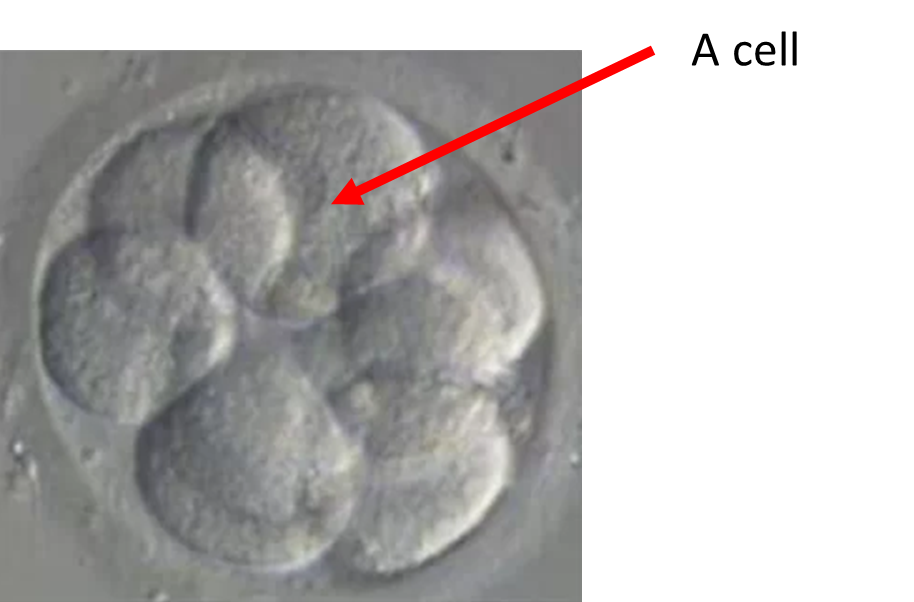
Grade 1 Embryo of 6-8 cells (Day 3), even symmetrical divisions, no or <10% fragmentation
Grade 2 Embryo of 6 -10 cells, (Day 3), uneven or irregular cells, asymmetrical divisions, 10-25% fragmentation
Grade 3 Embryo of slower (or faster) development, uneven cells, asymmetrical divisions, >50% fragmentation
Grade 4 Embryo that has stopped developing and is not suitable for use.
Blastocyst Stage Embryos (Gardner Grading System); D5 information
The number is associated with the rate of expansion or how big the blastocyst has grown. This scale is 1-6, 1 being the least expanded and 6 being the most expanded.
The first letter is associated with the appearance of the inner cell mass. This scale is A, B or C. ‘C’ being the weakest and ‘A’ being the strongest.
The second letter is associated with the appearance of the trophectoderm cells. This scale is also A, B or C. ‘C’ being the weakest and ‘A’ being the strongest.
Example: 4AA (expanded cavity, strong ICM, strong TE) Introduction
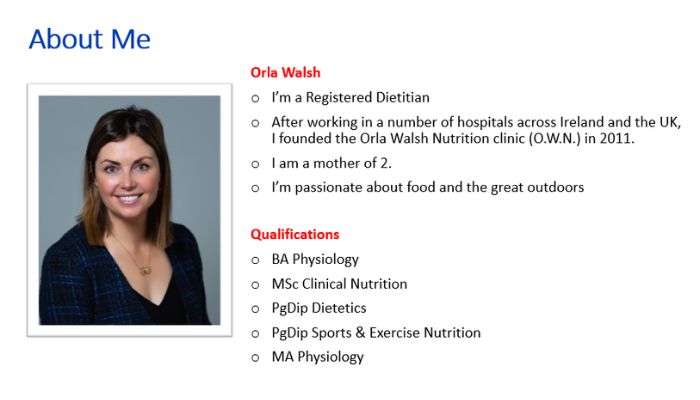
This article is based on a webinar on nutrition and lifestyle advice for those trying to conceive given by Orla Walsh on behalf of her practice, Orla Walsh Nutrition (OWN), and Merrion Fertility Clinic in March 2023. OWN is the team of Registered Dietitians recommended by our Clinic.
Orla is a registered dietitian with numerous qualifications and has been working in the area of fertility for over seven years. She established her private practice around 12 years ago, where she initially considered herself a general practitioner and sports dietitian. However, her passion for fertility grew over time, and it became a natural focus for her, especially as she became more involved in women’s health.
As a practitioner, Orla is dedicated to helping people enhance their overall health and wellbeing through proper diet and nutrition. She has observed that women frequently seek her advice on improving their fertility and realised that there is a real need for specialised guidance in this field.
Orla has since concentrated more on fertility and women’s health in her practice. She has helped numerous women who have struggled with fertility issues and assisted them in making dietary and lifestyle modifications that have resulted in successful pregnancies.
Connection Between Nutrition and Fertility
Both men and women can benefit from an improved diet when trying to conceive. Nutrition can help with ovulation disorders in women and can also improve sperm quality in men. A healthy diet can significantly improve sperm count, motility, and concentration, which are all important factors in fertility.
It’s important to note that good nutrition is not a magic solution for fertility issues. However, a healthy diet can certainly improve the chances of successful conception and a healthy pregnancy. By working with a qualified dietitian or fertility specialist, you can receive tailored advice on the best dietary choices for your specific situation.
The Mediterranean Diet
If you’re trying to improve your fertility, you might want to consider following a Mediterranean diet. According to Orla, this diet is a great way to incorporate healthy, nutritious, unprocessed foods into your meals. The Mediterranean diet is built on the foundation of lots of colourful fruits and vegetables with the addition of some whole grain carbohydrates and unprocessed proteins such as lean meat, legumes, fish and dairy. It also includes regular consumption of extra virgin olive oil, nuts and seeds.
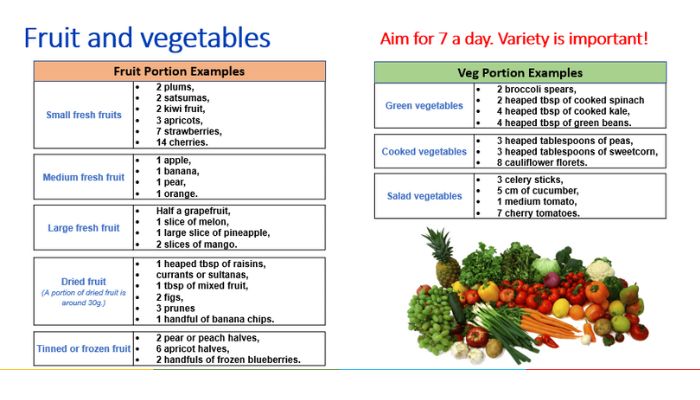
When it comes to incorporating fruit and veg into your diet, Orla recommends aiming for at least 5, if not 7, portions a day, providing a rainbow of colours. Each colour provides different antioxidants and special plant compounds which are important for reducing inflammation and oxidative stress within the body. Two green vegetables a day and one citrus fruit a day are particularly encouraged, as they help meet folic acid (folate) requirements and supply magnesium, which indirectly supports fertility through its involvement in sleep and the production of energy and DNA.
For men, Orla recommends consuming tomatoes each day. Studies have shown that tomatoes can positively impact sperm health in males.
It is recommended to wash fruits and vegetables before consuming them to remove any pesticide residue. It is worth noting that frozen produce is as good as fresh.
Carbohydrates & Fertility
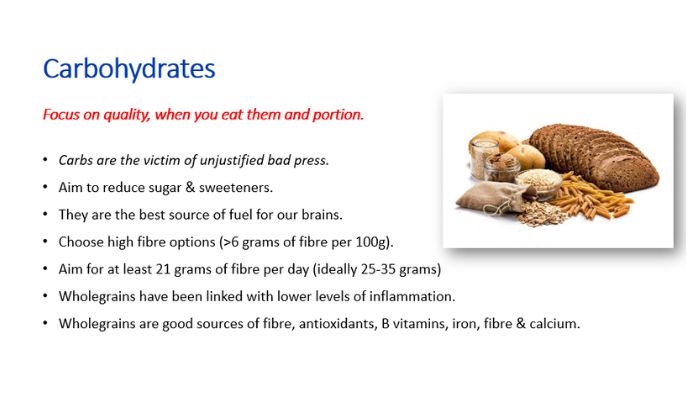
Carbohydrates play an essential role in fertility and extreme low carbohydrate diets, such as keto, are not recommended. It is best to aim for moderation and focus on the quality of carbohydrates consumed, as well as spreading them out across the day.
One should aim to consume a similar amount of carbohydrates at breakfast, lunch and dinner, while focusing on whole grains rather than refined carbohydrates. Whole grains have been linked to reducing inflammation in the body, which is important for fertility, and they also provide fibre, antioxidants, B vitamins, iron and calcium.
You should try to reduce your intake of processed or refined carbohydrates which can be low in fibre and high sugar intake. Although non-sugar sweeteners can be preferable to sugar, it’s important to limit how much they appear in the diet.
Protein & Fertility
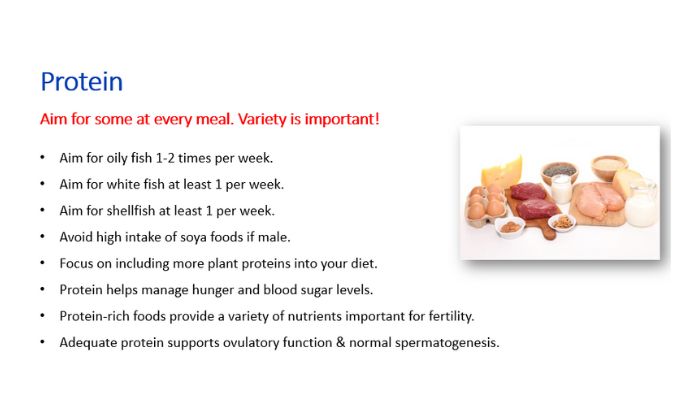
Orla encourages variety in protein intake, with a focus on fish. On average Irish people only eat one bite of fish per week. So, certainly not enough to fulfil one serving.
Orla suggests consuming oily fish once or twice a week, white fish at least once a week, and shellfish at least once a week. Oily fish is high in omega-3 fatty acids, which is crucial for fertility, while white fish is an excellent source of iodine, a lot of which is found just beneath the skin of fish.
Shellfish is a good source of zinc, which is one of the more recognised ingredients for a fertility diet due to its involvement in the production of DNA, cell division, the maintenance of normal testosterone levels in the blood and protection from oxidative stress. For men with sperm count issues, it may be overly cautious but advisable to reduce soy intake despite being an excellent source of plant protein.
Fats & Fertility
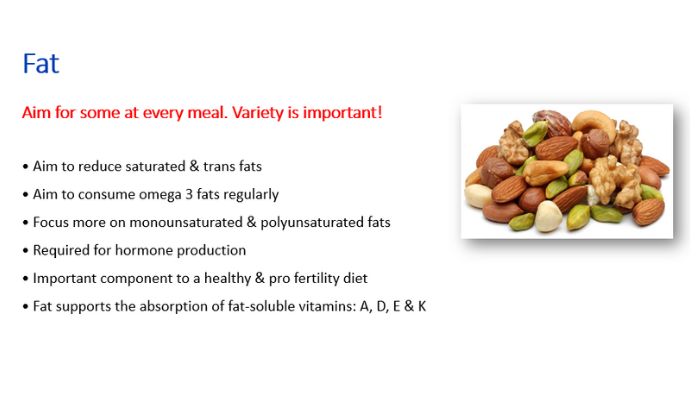
When it comes to following a diet that supports your fertility, fat is an important part that shouldn’t be cut out from one’s diet. Sometimes people try to lose weight before conceiving by avoiding fats but this may not be the best approach. Fats provide unsaturated fats and fat-soluble vitamins such as A, D, K and E that are crucial for hormone production, and they also provide a great deal of antioxidants.
It is recommended to aim for some fats with each meal and aim for a variety. In particular, it is suggested to focus on nuts and seeds, as well as extra virgin olive oil.
Antioxidants and Anti-Inflammatory Foods & Fertility
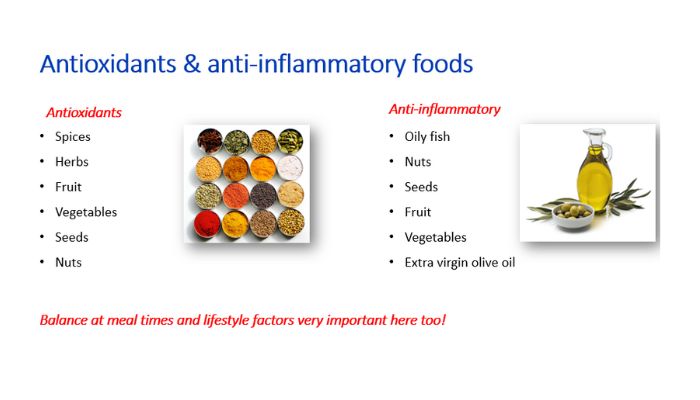
Antioxidants and anti-inflammatory foods are important components of a fertility diet. Herbs and spices are the real powerhouses when it comes to antioxidants and so it is recommended to include some herbs and spices with every meal. For instance, chives can be added to eggs for breakfast, basil to tomatoes, and nutmeg to mushrooms at dinner. Cinnamon or ginger can be used for porridge. Dry herbs and spices are equally as good as fresh ones.
Fruits, vegetables, and nuts and seeds also contain many antioxidants. When it comes to anti-inflammatory foods, oily fish, especially those high in omega-3, nuts and seeds, fruits and vegetables, and extra virgin olive oil should be considered.
Plate Model & Fertility
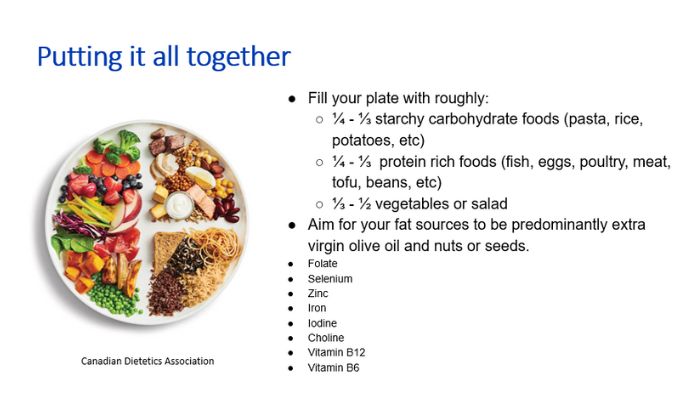
The Canadian Dietetics Association has developed a plate model that can guide individuals on the right proportions of food to consume. According to the model, half of the plate should be filled with fruit or vegetables, a quarter with protein, and a quarter with whole grain carbohydrates. It is advised to aim for a variety of colours in fruits, vegetables, and to choose lean proteins or more plant-based options.
When trying to adhere to the plate model, consider the example of a dinner consisting of potatoes, meat, and vegetables. This meal corresponds to the plate model. However, meals such as spaghetti Bolognese or chicken curry may not fit this balance as they may be excessively rich in carbohydrates. It is not necessary to prepare new recipes or significantly alter one’s eating habits, but rather to incorporate more fruits and vegetables in the diet. Adding frozen vegetables to the side of many meals is an easy way to achieve this.
To ensure a balanced meal, imagine a bowl with fruits and vegetables at the bottom. Try adding fruit or vegetables first to a bowl of cereal, followed by a whole grain cereal and milk. This technique naturally encouraged meals that are more balanced than if cereal were added first.
Lifestyle & Fertility
It is important to also consider lifestyle when trying to improve fertility.
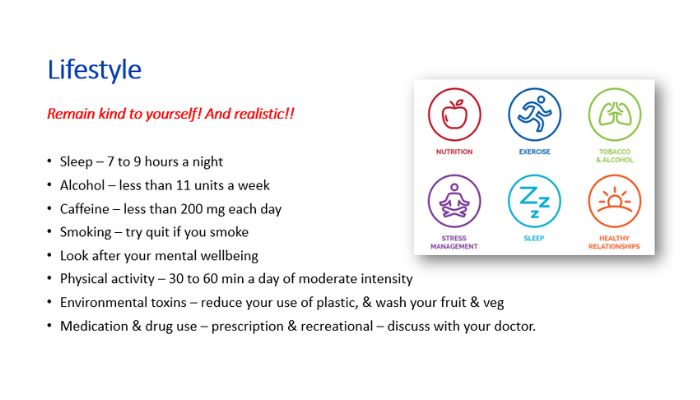
Sleep is a crucial factor in fertility, as the hormone melatonin plays a key role in the reproductive process. Lack of sleep has been shown to negatively impact fertility, which is why it’s recommended to aim for seven to nine hours of sleep per night.
When it comes to alcohol, it’s recommended to consume less than 11 units per week, which is equivalent to less than one and a half bottles of wine or 11 gin and tonics. While some recommend abstaining from alcohol altogether when trying to conceive, this may not be realistic for everyone.
Caffeine intake is also an important factor to consider, particularly for women, with less than 200 milligrams per day being recommended. This equates to less than four cups of tea or two cups of coffee per day. However, it’s worth noting that caffeine content can vary greatly between different coffee shops and coffee beans.
Smoking should be avoided when trying to conceive.
Physical activity is important for overall health and fertility, with 30 to 60 minutes of moderate intensity exercise per day being recommended.
Finally, reducing exposure to environmental toxins may also improve fertility. This can be achieved by washing fruit and vegetables and reducing plastic use. While it’s impossible to avoid all environmental toxins, taking these simple steps can significantly reduce exposure.
PCOS & Fertility
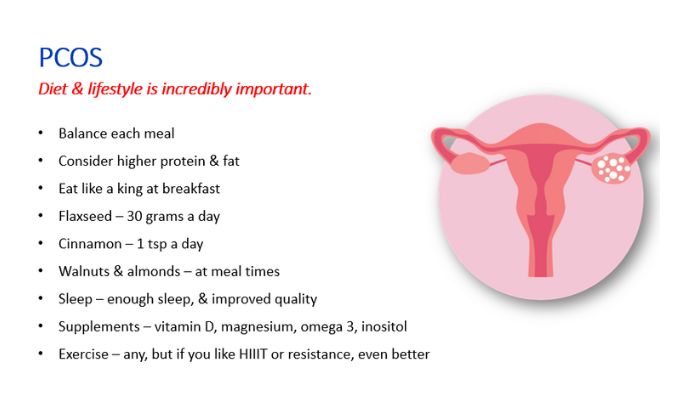
Polycystic ovary syndrome (PCOS) affects a large number of women. A focus on diet and lifestyle is crucial to manage PCOS, and supplements can also be helpful. One of the first supplements that is often recommended for women with PCOS is vitamin D, and magnesium is often supplemented due to a higher prevalence of deficiency in women with PCOS. Omega-3 supplements may also be recommended if fish intake cannot be increased. Inositol and other supplements may also be considered.
Some spices and foods that are commonly found in your cupboard can also be helpful for managing PCOS. Cinnamon, which is often overlooked, has been shown to be effective in research studies. Just a teaspoon a day, added to your porridge or coffee, can be beneficial. Walnuts, almonds and flaxseed have also been shown to be helpful in research studies.
Carbohydrate intake is also considered when managing PCOS, with moderate intake recommended. Pairing the carbohydrate rich foods with healthy fats and protein is also advisable.
Exercise is also important, and walking is a great way to get started. If the individual is open to high-intensity or strength training exercise, this can also be incorporated into their routine.
Sleep is crucial, as it helps to improve food choices and increase exercise the next day, while also reducing insulin resistance.
Endometriosis & Fertility
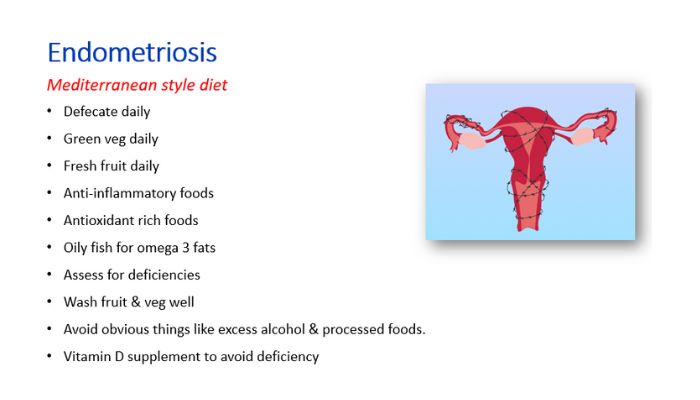
Individuals with endometriosis are encouraged to follow a diet rich in fibre, drink plenty of water and follow a fitness regime to help manage pain and gut symptoms. Green vegetables are important for the folate and magnesium they contain, while fresh fruits are essential for their antioxidant and vitamin C content. It is important to check for deficiencies such as iron, especially for women with heavy periods.
Try to reduce the environmental toxins by reducing use of plastic and washing fruit and veg. Vitamin D levels should be checked and supplemented, if needed.
If you are under the supervision of a dietitian, they may give you a gluten-free diet or a low FODMAP diet plan to help with gut symptoms associated with endometriosis and also see if that helps with pain management, which can indirectly impact fertility.
Supplements & Fertility
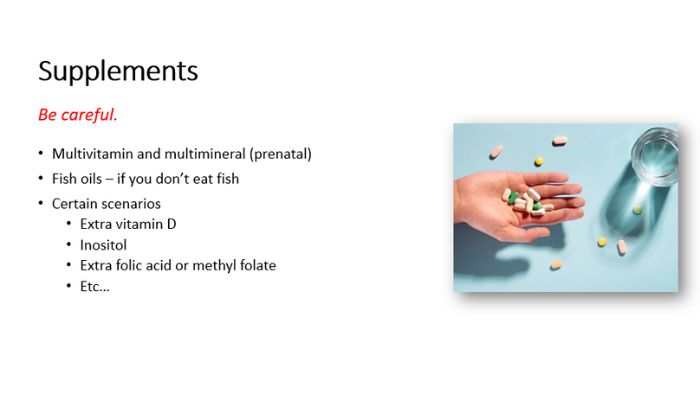
When it comes to supplements, it’s important to be cautious. There are many people out there trying to sell you supplements that haven’t been proven to work, which can be expensive and even harmful. If you’re taking a lot of supplements, you may be doubling up on certain nutrients, so it’s best to stick to a few key ones. Generally, we recommend a multi-mineral/multi-vitamin supplement, fish oils if you don’t eat fish, and in certain cases, extra vitamin D.
For those with polycystic ovary syndrome (PCOS), we suggest inositol supplements. Additionally, a daily intake of 400mg of folic acid is usually enough for most people, but some may require more, which your doctor can advise on. While there is a lot of hype around methyl folate at the moment, it’s important to note that it’s not always necessary or suitable for everyone.
There are many supplements marketed towards improving fertility, but it’s crucial to be cautious and not to buy into them without consulting a healthcare professional first. Not all supplements are helpful, and some can be a waste of money.
Conclusion
In the webinar Orla highlighted the critical role of nutrition and lifestyle in improving your fertility. She recommends following a Mediterranean-style diet, focusing on whole grains, unprocessed proteins, and plenty of fruit and vegetables. A balanced intake of carbohydrates, protein, and healthy fats is crucial, and sweeteners and processed foods should be avoided. While good nutrition is not a magic solution, it can certainly improve your chances of a successful conception and pregnancy.
You can contact Orla at orlawalshnutrition.ie
Merrion Fertility Clinic supported the Womens Health campaign that launched on the 8th of March, International Women’s Day, within the Irish Independent and online at https://www.healthnews.ie/campaign/womens-health/
Women’s Health looked at topics such as fertility, breast ovarian and cervical cancer, reproductive and gynaecological conditions, menopause, mental health and more.
It included the information piece below, written by Merrion Fertility Clinic’s Clinical Director, Dr David Crosby.
Not all fertility journeys are the same, and it remains important to offer an individualised and tailored experience for all patients, allowing them to effectively plan for the future.
We, at Merrion Fertility Clinic, treat couples who are experiencing infertility, a common disorder estimated to affect one in six couples in Ireland. We provide egg freezing to those who wish to seek this option for social or medical reasons, including adolescents and young adults who may require egg freezing prior to undergoing cancer therapy.
We provide care to single women and same-sex female couples who opt to conceive using a donor. Our expert team of embryologists work closely with our patients to help them choose the right sperm donor for them.
Steps involved in treatment
You can make a self-referral for the treatment you are interested in on our website. A patient coordinator will then get in touch with you to set up an appointment with one of our highly qualified fertility Doctors to discuss treatment options.
Before this appointment, we will arrange some basic investigations, including a blood test and pelvic ultrasound scan. These tests are performed in our clinic, where you can meet our experienced team of nurses and midwives. If you have a male partner, he may need to attend for a semen analysis.
When undergoing treatments such as IVF or egg freezing, patients can be assured that the egg collection procedure is as comfortable as possible, as a Consultant Anaesthetist is present at every procedure to deliver sedation and or analgesia.
“Undergoing fertility treatment can be a very stressful and difficult time.”
Caring for patients
Merrion Fertility Clinic is Ireland’s only not-for-profit fertility clinic, and we pride ourselves on offering evidence-based care to all.
We have a close relationship with the National Maternity Hospital, Holles Street, with many of our Doctors also working in the Hospital as Consultant Obstetricians and Gynaecologists. This allows our patients continuity of care and the option to begin and continue their journey with us.
We provide preimplantation genetic testing (PGT) services to check embryos for chromosomal abnormalities and to identify the embryos with the best chance of developing into a healthy pregnancy.
Undergoing fertility treatment can be a very stressful and difficult time. Our multidisciplinary team is here to help. Our experienced counsellors can offer emotional support throughout the journey.
Providing the very best medical investigations and treatments to help achieve your goal.
Fertility 2023 was recently held at the ICC, Belfast (Jan 10th -13th). This annual conference, jointly hosted by the Association of Reproductive & Clinical Scientists (ARCS), the British Fertility Society (BFS) and the Society for Reproduction and Fertility (SRF), gives fertility researchers and practitioners alike an opportunity to progress their training, discuss their research and to hear about new, cutting-edge technologies in the field of reproductive medicine. It is also a time to meet with colleagues and forge new collaborations, as we strive to learn from shared experiences and to constantly improve the standard of care for our patients.
The theme of this year’s conference was ‘Reproduction in an Ageing World’, a reflection not only on the increasing trend of delayed parenthood and reduced fertility rates, but also on the societal, environmental and medical factors that converge to influence this.
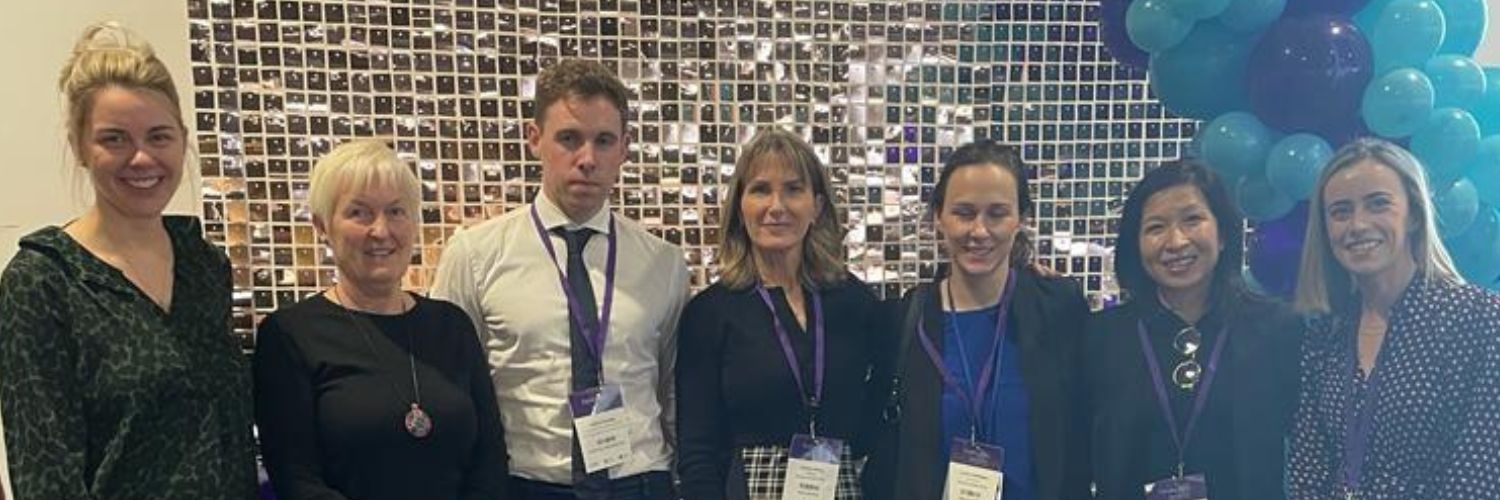
Dr Laurentina Schaler, Prof Mary Wingfield, Dr David Crosby, Prof Cathy Allen, Dr Lucia Hartigan, Dr Nita Adnan and Dr Niamh Fee.
Merrion Fertility Clinic (MFC) were fortunate to have many of our multi-disciplinary team at the conference, with members from each department in attendance throughout the week. The MFC research team was especially well represented, with six presentations from our current and previous clinical research fellows and students. Two members of our research team, Clinical Fellow Dr Laurentina Schaler and Aspire Clinical Fellow Dr Sorca O’Brien were both shortlisted for the prestigious BFS Early Career Clinician award, while TCD & MFC researcher Dr Federica Giangrazi was also shortlisted for the BFS Young Scientist award.
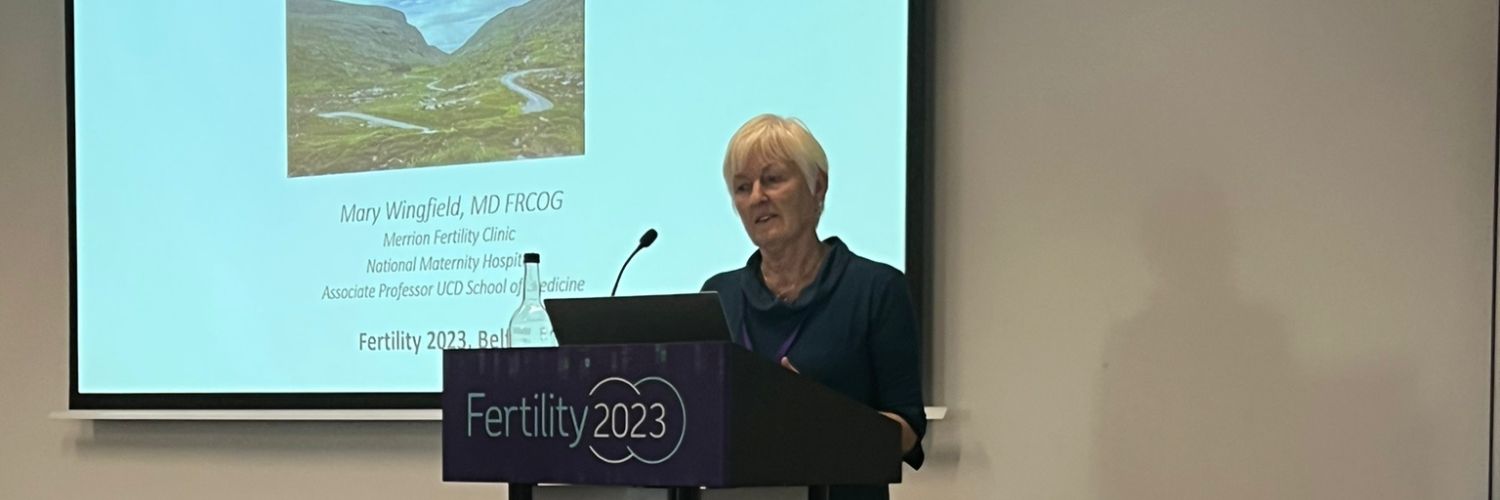
Doctors Maebh Horan and Rachel Elebert were each chosen to present a poster of their fellowship research projects, while Dr Andrew Downey was selected to give an overview of his work in a rapid-fire oral poster presentation. In recognition of her patient advocacy work on fertility funding and regulation, Prof Mary Wingfield (former Clinical Director) was invited to give a talk on Ireland’s long road to assisted human reproduction (AHR) legislation, a timely discussion given that an AHR bill is currently being debated in Dáil Eireann.
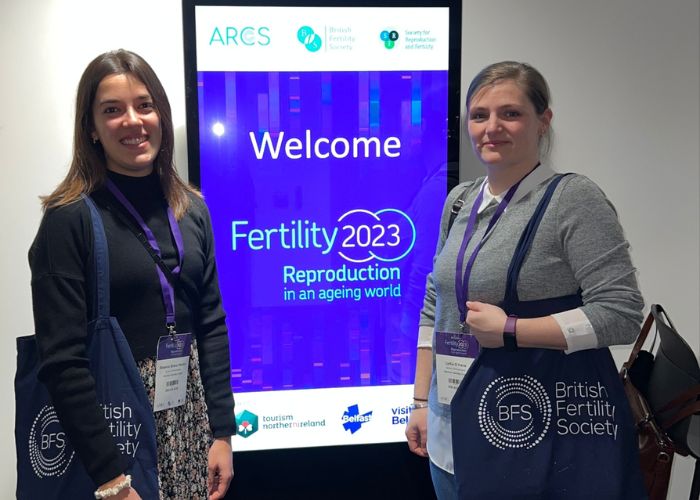
Clinic Embryologists, Rebeca Bravo Martín and Lydia O’Hara
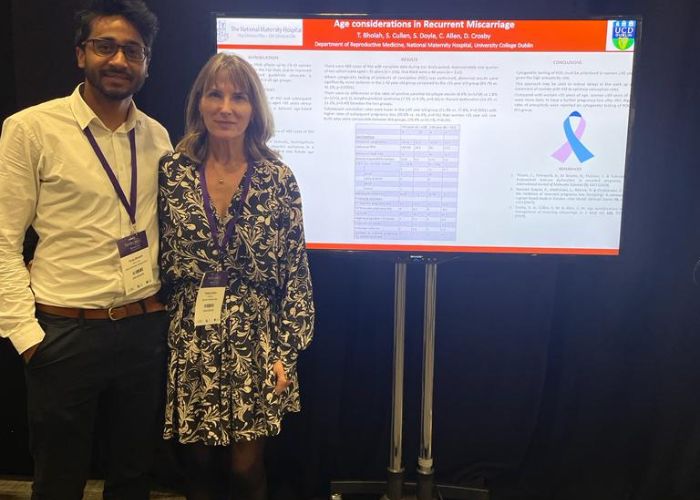
Dr Tariq Bholah and Prof Cathy Allen
As we now reflect on this outstanding meeting and what we learned from the wide-ranging topics discussed and debated, we are encouraged that the MFC research program is so strongly aligned with current and future goals of the international fertility community. Several of the conference talks highlighted the rapid technological advances being made in the clinical IVF lab, with the advent of improved testing for embryo and uterine lining (endometrial) quality, and with automation and AI technologies on the horizon.
Dr Elebert’s and Dr Downey’s work on embryo development and endometrial assessment, respectively, expands on our understanding of how these advances can be best applied to improve live birth outcomes for our patients. Moreover, the ever-evolving scientific and clinical developments makes legislating for AHR in Ireland a complex challenge, as noted by Dr Sorca O’Brien and Prof Mary Wingfield in their talks.
Discussions around environmental influences on fertility and treatment access included the enormous impact of the global COVID-19 pandemic, a focus of Dr Schaler’s talk, as well as the increasingly recognized role of bacterial flora in early pregnancy, as discussed by Dr Giangrazi.
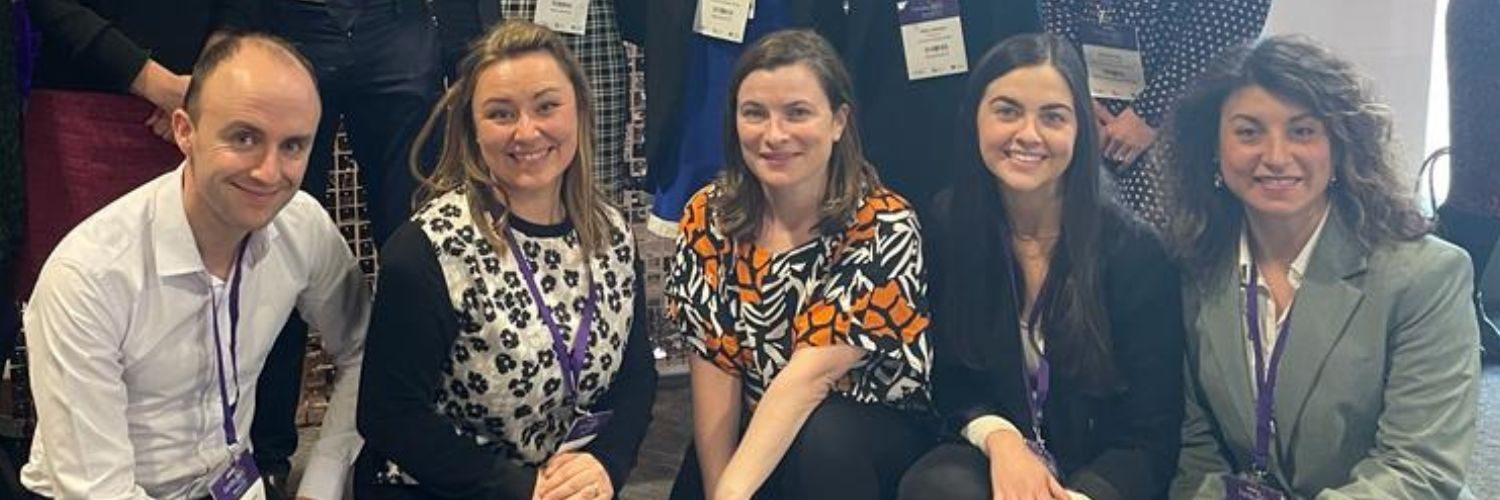
Dr Andrew Downey, Dr Louise Glover, PhD, Dr Sorca O’Brien, Leonie Conroy (Fertility Midwife), Dr Federica Giangrazi, PhD
Lastly, we heard moving testimonials on the harrowing impact of cancer treatment-induced infertility in young people with cancer, and just how transformative fertility preservation can be for their long-term quality of life. As part of our collaboration with the Irish Cancer Society, the Merrion Fertility Clinic Childhood Cancer Fertility Project has given young people affected by cancer the opportunity to protect their future fertility, the subject of a poster by Dr Maebh Horan.
Talks, Presentations & Posters
Prof Mary Wingfield: AHR Legislation: a long and winding road (Invited Talk)
Prof Wingfield was invited to discuss the history of drafting AHR legislation in Ireland, a journey which began 20 years ago. Prof Wingfield, who chairs the AHR Professionals group, has worked tirelessly throughout this time to advocate for patients and inform policy makers in order to help shape a national AHR legislation that works for all.
Prof Mary Wingfield
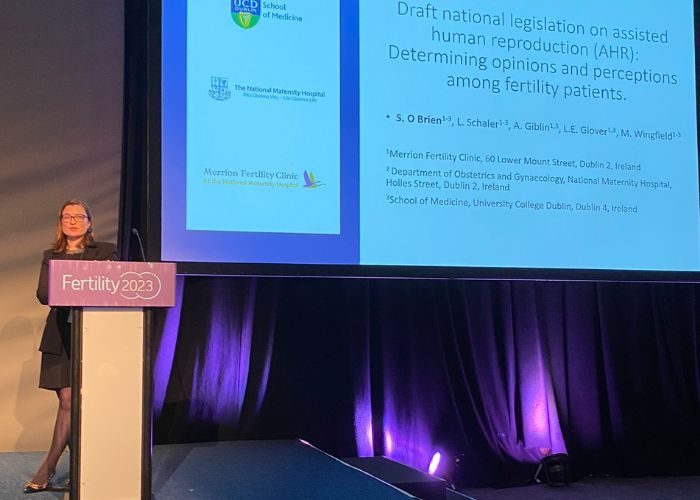
Dr Sorca O’Brien: Draft AHR Legislation: listening to the voice of patients (BFS Early Career Clinician Award: shortlisted)
Dr O’Brien performed a survey study among fertility patients to determine their views on the proposed Irish Health AHR Bill 2022.
This study will help inform the national legislation as it nears completion.
Dr Laurentina Schaler
Dr Sorca O’Brien
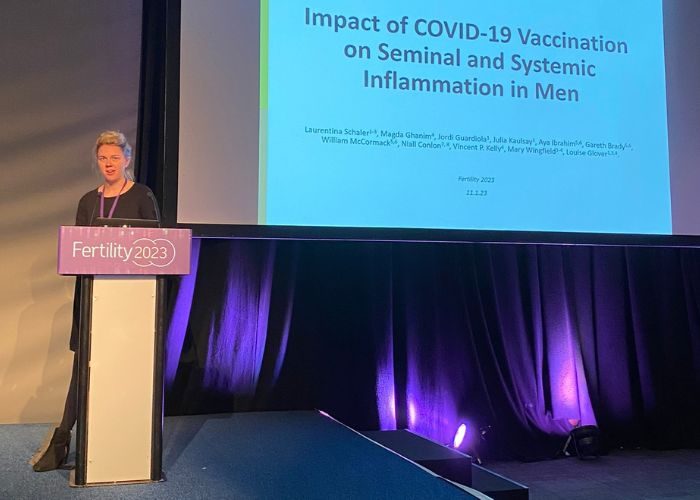
Dr Laurentina Schaler: Male Fertility – Impact of SARS-CoV-2 vaccines (BFS Early Career Clinician Award: shortlisted)
Dr Schaler’s study investigated the impact of the initial COVID-19 vaccine regimen on sperm parameters and markers of inflammation in men. This study, carried out with TCD, showed no overall change in sperm parameters and mild changes in inflammation that resolved within 70-90 days.
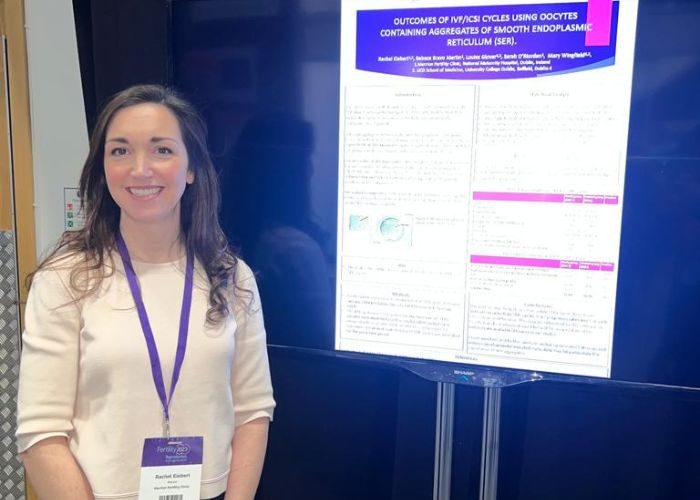
Dr Rachel Elebert: A retrospective review of oocytes containing Smooth Endoplasmic Reticulum (SER) aggregates.
Dr Elebert presented her work on SERs, small organelle clusters seem in 10% of IVF/ICSI cycles.
Her work showed that SER positive cycles have similar outcomes to the general population.
Dr Rachel Elebert
Dr Andrew Downey
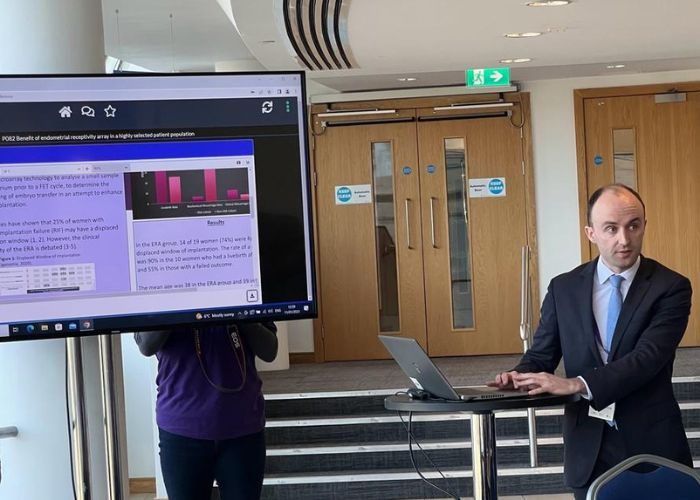
Dr Andrew Downey: Benefit of Endometrial Receptivity Array in a highly selected patient population (rapid-fire poster presentation)
Dr Downey’s talk discussed pregnancy outcomes in women who had two failed frozen embryo transfer cycles, followed by a personalized timed embryo transfer after endometrial receptivity array (ERA) testing.
Dr Maebh Horan: A 2 year follow-up study of ovarian reserve in female survivors of childhood cancer
Dr Horan presented her study of female survivors of childhood/adolescent cancer who attended MFC for fertility assessment and egg freezing. This service is made possible by generous funding from the Irish Cancer Society, as part of the Childhood Cancer Fertility Project.
We are so proud of our team for their excellent presentations, for their unwavering dedication to patient-centred research, and for representing Merrion Fertility Clinic on the international research stage.
Looking forward to Fertility 2024!
In this latest installment from her book “The Fertility Handbook”, Prof Mary Wingfield explains how to understand a woman’s fertile window, the optimal time in the female cycle to try for a pregnancy.
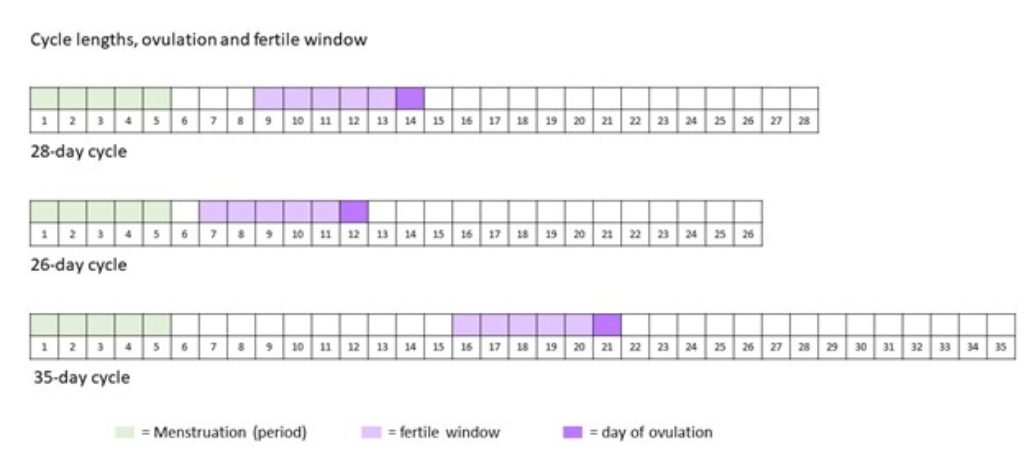
“Over the last 20 years much research has been done on ovulation and what is called the ‘fertile window’. This is a period of about six days starting five days prior to ovulation and ending on the day of ovulation and is the time when pregnancy is most likely to happen. While an egg only stays capable of being fertilised for about 12 hours after ovulation, we know that healthy sperm can remain actively motile and capable of fertilising an egg for at least 72 hours (three days) after intercourse. So if a couple have sex a few days before ovulation that is still sufficient for them to conceive because the sperm will be healthy and ‘sitting there’ waiting for the egg to arrive. Sex a few days after ovulation is, however, too late because the egg will have deteriorated too much. It has been shown that over 80% of pregnancies happen when the couple have sex on the day of ovulation or in the five days leading up to ovulation. There is therefore generally a six-day fertile window.
If a couple are having sex often, e.g. every 2–3 days, they will be having sex during the fertile window and they don’t need to worry about timing ovulation. However, for various reasons, couples may be having sex less often, and, if so, it is important to have some idea of when a woman is most fertile.
Prof Mary WingfieldClinical DirectorAn average woman’s menstrual cycle is typically 28 days, counting from the first day of her period (day 1) to the first day of her next period.
For example: if a woman with a 28 day cycle has a period starting on 1 January, her next period is expected on 29 January and the one after that on 26 February. In such a cycle, ovulation occurs approximately 14 days before the anticipated next period, so on a 28-day cycle that is approximately day 14. For the woman above that would be 14 January, 11 February, 10 March. This woman’s six-day fertile window would therefore occur from 9 to 14 January, from 6 to 11 February and from 5 to 10 March.
But women are not machines, so the length of their menstrual cycles can vary a lot. If a woman has a 35-day cycle, ovulation occurs 14 days before the end of her cycle, which would be around day 21. For this woman the fertile window would be the six days ending on that day, i.e. days 16–21. If a woman has a 26-day cycle, ovulation would occur around day 12 and her fertile window would start on day 7.
What actually happens is that most women tend to have slightly varying cycles, so it would be perfectly normal for a woman to have a 26-day cycle one month and a 32-day cycle another month. We generally assume that any variation up to about seven days is completely normal.
For a woman with varying cycles it can be difficult to predict the time of ovulation, so it is recommended that she observes her cycle for three or four months, noting the time of her periods. She can then work out approximately when her fertile time is likely to be. But in order to cover long and short cycles, she might need to have a ten-day window when it is important to be having sex if she is trying to conceive.
Generally, if a woman’s cycle is between 26 and 35 days, if she has sex between days 8 and 21 of her cycle she will catch the fertile window.”